


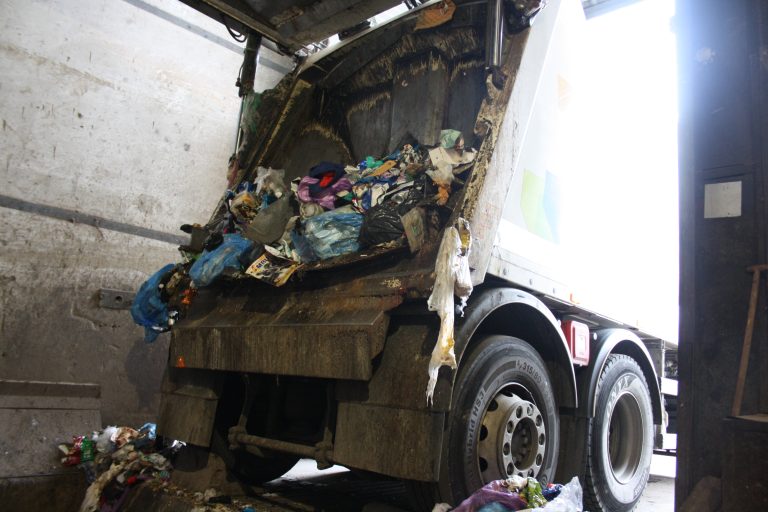

The Czech Republic produced 538 kilos of municipal waste per person in 2023, which was 27 kilos above the EU average, ranking 9th among EU member states, according to analysis by the “Europe in Data” project.
This is a slight improvement compared to 2022 and 2021. According to the Eurostat data, the Czech Republic generated 549 kg of municipal waste in 2022, and 570 kg the previous year. The analysis also shows that the country is making rapid progress in the use of recycled materials, the so-called ‘circular economy’.
According to the analysis, the share of circular material use has increased by nearly 10% over the past decade, reaching 14.8%. This figure is the proportion of all materials consumed in the economy that come from recycling. However, the return of products and materials to the economic cycle is hampered by inadequate infrastructure, limited processing capacity, and low public awareness.
Collection systems are a key part of the Czech waste management system. They organise the return of products at the end of their useful life and ensure their transfer for further processing. However, the mere existence of collection points is not enough, because people often do not know where they can drop off used products, or what happens to them afterwards, according to the analysis.
The research also found that when it comes to recycling bulkier products, the challenges of transportation, storage and repairs are much more pronounced.
For example, the “Furniture in Circulation” pilot project, which allowed people to drop off used furniture for three months in 2025, collected over 5,000 pieces. One-fifth of these were assessed as still usable, but only 8% were successfully returned to circulation.
According to the analysis, the fact that collection points alone are insufficient is also evident in the case of textiles.
According to a survey by Mendel University in Brno, conducted at the end of 2023 and start of 2024 as part of the “Smart and Sustainable” project, 37% of Czechs buy new clothes at least once a month. Due to rising textile consumption, separate textile collection points were made mandatory in the Czech Republic at the beginning of 2025.
However, according to Olga Dockalova of the Czech Association of Towns and Villages, people often drop off torn or damaged textiles at these collection points; these should in fact be sent for recycling, but there is a lack of recycling capacity.
Despite this, the reuse of products is gradually expanding in the Czech Republic. According to the first comprehensive report by the Reuse Federation, the number of items handed over for reuse rose from 222,000 in 2022 to more than 540,000 in 2025. The Reuse Federation is an expert organisation that brings together reuse centres, furniture banks, charity shops and swap initiatives.