


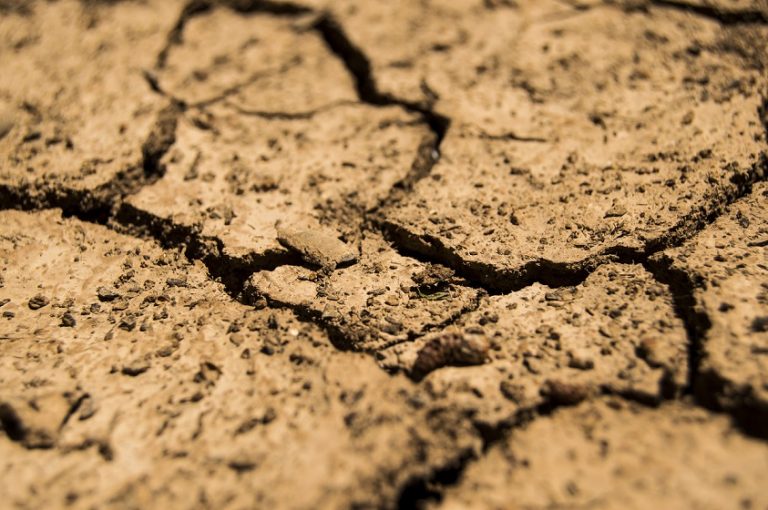

This year’s meteorological spring, from the beginning of March to the end of May, was the driest since records began in 1961, with just 89 millimeters of precipitation, 57% of the average from 1991 to 2020, the Czech Hydrometeorological Institute (CHMU) reported on Facebook yesterday. The spring was also warmer than the long-term average.
The average temperature for the three spring months exceeded the standard norm by 0.9 degrees Celsius. With an average of 9.2 degrees, it ranked as the eighth or ninth warmest spring since 1961, when meteorologists began calculating monthly averages.
According to the meteorological data, spring in the Czech Republic has been warming by an average of about 0.3 degrees every ten years, meaning that the 12 warmest springs have been recorded since 2000, with the warmest occurring two years ago, when the average temperature in spring exceeded 10 degrees. Conversely, the coldest spring was 39 years ago, when the average temperature was 5.2 degrees.
In terms of precipitation, this spring surpassed the previously driest spring of 1993, when a total of 100 millimeters of rain fell. The past winter contributed to this, as it was above-average in temperature and below-average in precipitation. During that winter, much less water was stored in snow than usual by the time spring arrived, so drought conditions began to appear early in the spring – first in the topsoil, then in groundwater and later in surface water, according to meteorologists.
Of this year’s spring months, April was the driest, with an average of 13 millimeters of rainfall. This was followed by March with an average of 19 millimeters of precipitation and May with 57 millimeters, nearly half of which fell on just two days, May 11th and 31st.
According to meteorologists, the drought worsened the most at the end of May, when it was hot. “The water levels in deep wells are exceptionally low and the worst since 1991,” they wrote.