

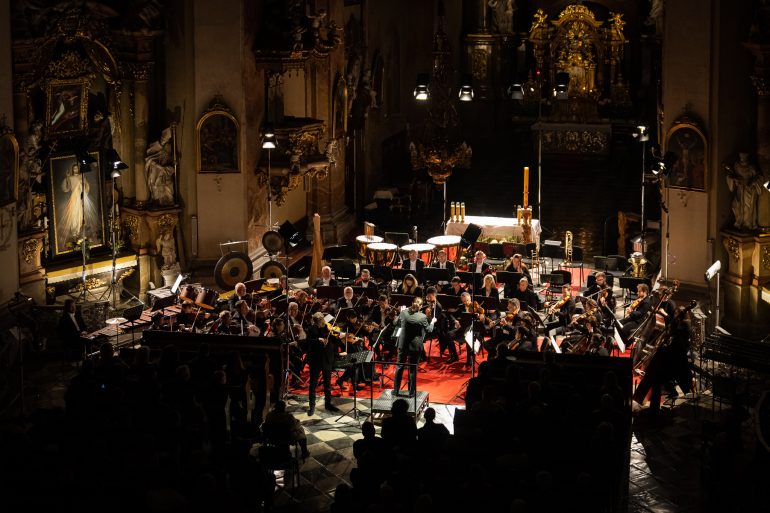

Filharmonie Brno has unveiled the program for the 33rd edition of the Easter Festival of Sacred Music (‘Velikonoční festival duchovní hudby’). Running from 29 March to 12 April 2026, the festival will transform the city’s historic churches into a spiritual and acoustic pilgrimage under the unifying theme of “Constancy”. This year’s edition is set to be one of the most ambitious to date, featuring a diverse program of six major concerts and three “Dark Hours”, which bridge the gap between ancient liturgy and contemporary composition.
A central highlight of the festival will be the world premiere of four oratorios commissioned by prominent Czech composers: Tomáš Krejčí, Lukáš Hurník, Jiří M. Procházka, and Ondřej Múčka. Collectively titled ‘Via sancta’, these works are conceived as two spiritual “stations” forming a bridge between the Old and New Testaments.
“These four oratorios follow a continuous narrative, though they will be presented across two separate evenings,” explained festival dramaturg Vladimír Maňas, noting that the pieces represent a significant contribution to the modern Czech sacred repertoire.
The festival opens on Palm Sunday, 29 March, with a grand concert featuring Filharmonie Brno and the Prague Philharmonic Choir. The program includes Henri Tomasi’s ‘Fanfares liturgiques’, evoking the Holy Week processions of Seville, the Czech premiere of James MacMillan’s ‘Larghetto’, and Francis Poulenc’s ‘Stabat Mater’, featuring acclaimed soprano Simona Šaturová. The following day, the focus shifts to Petrov Cathedral for a traditional organ recital by Jan Šprta, featuring Late Romantic works and a notable Reger transcription of Bach.
On Tuesday, 31 March, the festival moves to the modern Church of the Beatified Restituta in Lesná for the Czech premiere of ‘Exil’ by Georgian composer Giya Kancheli. “This meditative work captures the temporary silence of sacred buildings when no service is being held,” said Marie Kučerová, director of Filharmonie Brno.
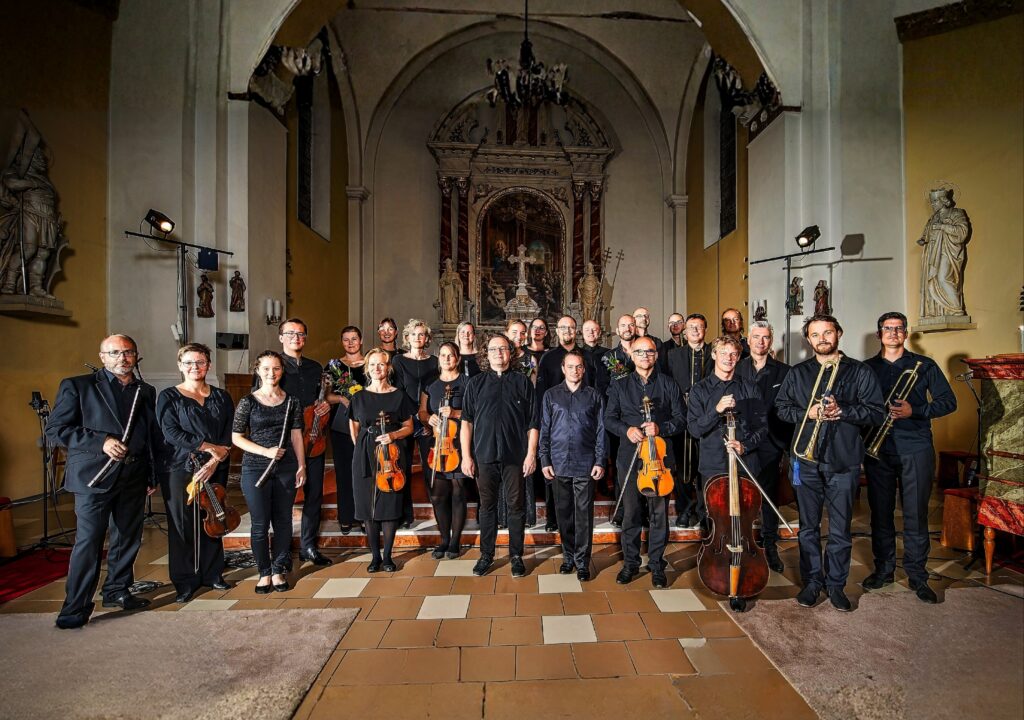
The atmospheric Tenebrae (Dark Hours) concerts, performed in a darkened church illuminated only by candles, will return this year to the Jesuit Church on Jezuitská. On Spy Wednesday, the program features Arvo Pärt’s ‘De Profundis’ and Dvořák’s ‘Biblical Songs’. Maundy Thursday is dedicated to the newly commissioned Old Testament oratorios, while Good Friday brings a performance of Renaissance polyphony by the international ensemble Ramillete de Tonos on period instruments.
Tickets are currently on sale via the festival website or at the Filharmonie Brno pre-sale office. The festival continues its popular “tailor-made” discount scheme, where the discount increases with the number of concerts attended, starting at 20% for a selection of two concerts.