
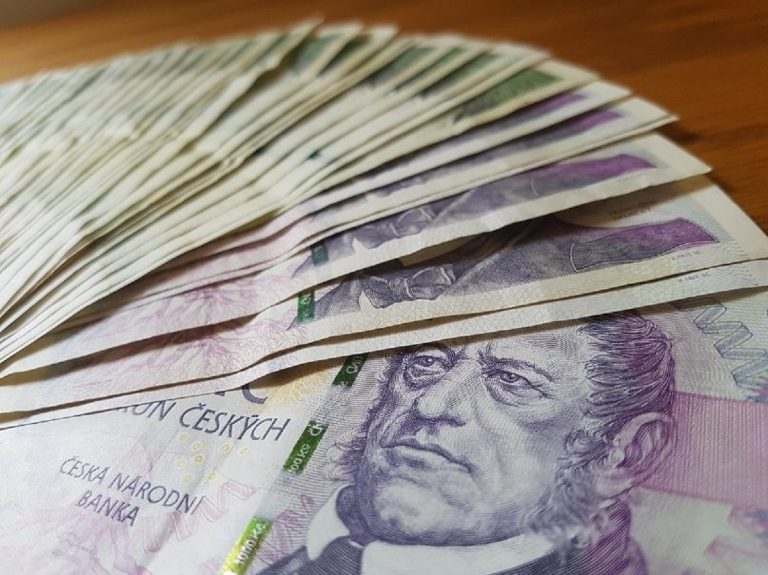

The Chamber of Deputies yesterday approved the state budget for 2026, with a deficit of CZK 310 billion.
This is the first budget submitted by the coalition government of ANO, Freedom and Direct Democracy (SPD), and the Motorists, led by Andrej Babis (ANO). During the final approval, MPs added CZK 800 million to support sport. Opposition proposals for money transfers were unsuccessful.
A total of 103 MPs from the governing coalition voted in favour of the budget, while 88 opposition MPs voted against it.
The budget will now be sent to President Petr Pavel for signing. He has already said that he will not veto it, but he has requested to discuss it next week with Finance Minister Alena Schillerova and Prime Minister Andrej Babis (both ANO).
Last year, the forecast deficit was CZK 241 billion, but the budget deficit for the year was ultimately CZK 290.7 billion.
Budget revenues are predicted to increase by CZK 31.7 billion year-on-year to almost CZK 2,118 billion. Spending is expected to increase by CZK 100.7 billion to almost CZK 2,428 billion.
The Chamber of Deputies only supported the coalition’s amendments, which Prime Minister Babis had previously indicated the coalition would support. The lower house thus added CZK 800 million to the National Sports Agency to support sports infrastructure and CZK 120 million to the MEDEVAC health and humanitarian programme. A proposal to add CZK 50 million to support organisations working with young people was also successful. The opposition also wanted to add money to these organisations, but its proposals were unsuccessful. Babis’s separate proposal to add CZK 100 million to anti-drug policy was also successful.
Minister for Regional Development Zuzana Mrazova (ANO) also succeeded with her proposal to add CZK 50 million for measures under the housing support law. On the other hand, opposition proposals to add money for the army, culture, and inpatient care, for example, were unsuccessful.

The opposition has criticized the budget proposal. It mostly focused on earlier statements by the Czech Fiscal Council (NRR), warning that the deficit exceeds the limit permitted by law, and the budget is therefore in conflict with the law on budgetary responsibility. The Minister of Finance has repeatedly rejected this. According to NRR, a deficit that would comply with the law could amount to a maximum of CZK 247 billion.
Because the budget was not passed by the end of last year, the Czech Republic is still operating under a stopgap budget. The approved budget will take effect the day after it is published in the Collection of Laws. The original proposal by the former government of Petr Fiala (ODS) was rejected by the Chamber of Deputies last year with the votes of the current coalition, and the government then submitted a new one.
The budget anticipates real economic growth of 2.4%. The Czech National Bank expects growth of 2.9% this year. The average inflation rate should fall from last year’s 2.5% to 2.1%. Household consumption is expected to increase by 3%.