


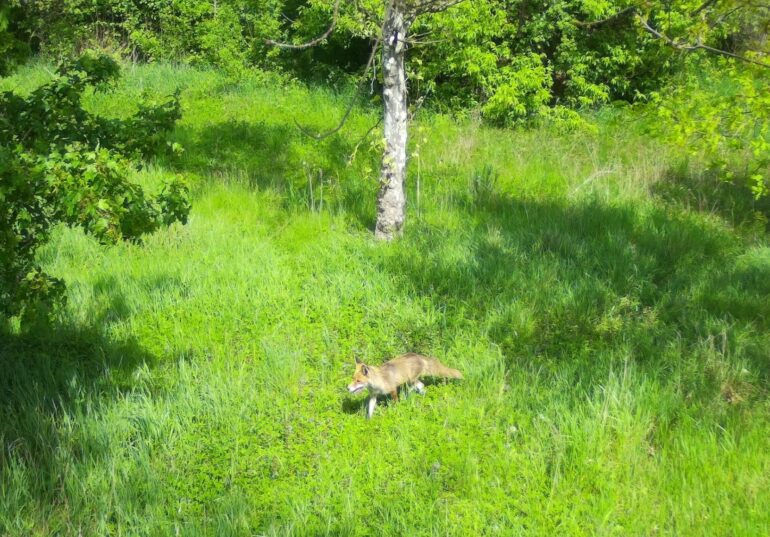

A three-year research project has revealed that Brno transforms into a thriving wildlife habitat after sunset, with dozens of animal species systematically using the urban environment.
The study, conducted by Mendel University in Brno, Masaryk University, and SocioFactor, analyzed more than 150,000 camera trap images alongside thousands of field records and biological samples. The findings show that the coexistence of humans and animals in the city is far from random, instead following clear spatial, temporal, and social patterns.
The researchers combined biological, veterinary, and sociological approaches to build a comprehensive picture of urban wildlife. Using camera traps, thermal imaging, and field monitoring, the team mapped when and where animals move throughout the city.
“When we look at the city only through human eyes during the day, a crucial part of reality escapes us,” said project lead Jakub Drimaj. “In fact, we share the city with a whole range of species that actively use it.”
The study identified hares, roe deer, foxes, martens, and wild boars among the most common urban visitors. While daytime activity appears minimal, nighttime monitoring revealed a dynamic ecosystem, with animals regularly moving through residential and peripheral areas.
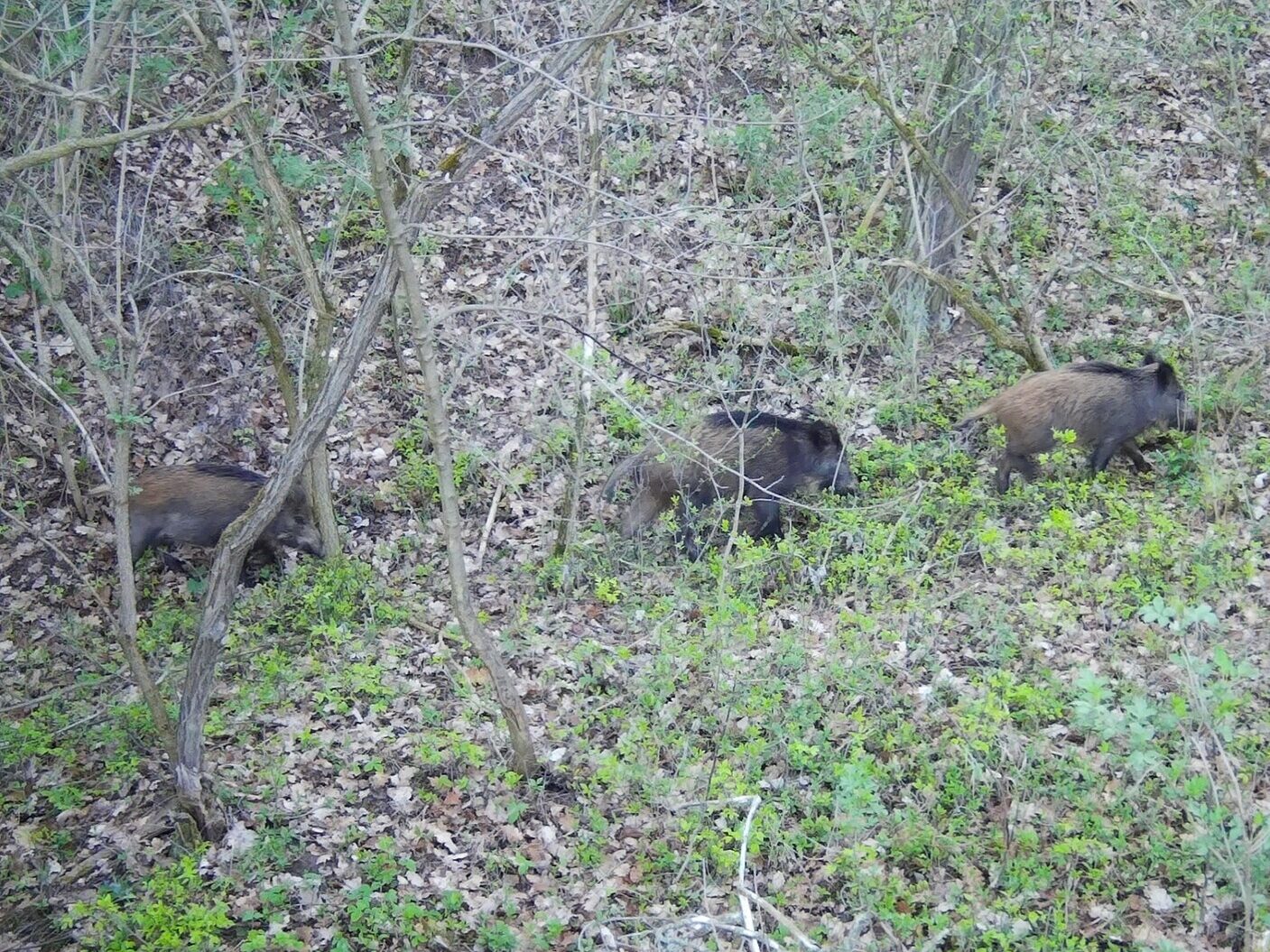
Wild pigs appear in places where urban areas are bordered by forests. | Credit: MENDELU
A second phase of the research focused on health risks. Scientists tested wild animals for pathogens that could potentially be transmitted to humans or domestic animals. At least one pathogen was found in around 30% of cases, most commonly parasitic or bacterial infections.
“Pathogens are a natural part of ecosystems and do not automatically pose a risk to humans,” explained Omar Šerý of the Institute of Biochemistry at Masaryk University. “The key is understanding and managing these risks responsibly.”
The project also explored how the public perceives urban wildlife. Sociological analysis showed that media representation and public attitudes strongly influence how city authorities respond to animal presence.
“Understanding public perception is just as important as biological data,” said Jana Korečková of SocioFactor. “Effective management depends not only on what is scientifically correct, but also on what is socially accepted.”
The findings suggest that conflicts between humans and animals, such as property damage or encounters requiring intervention, are not random, but linked to specific locations and times. With sufficient data, researchers say these conflicts can be predicted and prevented.
The project was carried out in cooperation with the Brno City Hall, municipal police, and other local partners, resulting in one of the most detailed databases of urban wildlife in the region.
According to Drimaj, the main takeaway is clear: “The biggest problem is not the presence of animals, but the lack of data. Once we understand their behavior, we can move from reacting to managing the situation effectively.”
The researchers hope their findings will help local governments develop more systematic strategies for monitoring wildlife, reducing conflict, and improving coexistence in cities.