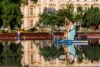

November in Bratislava means photography. My first visit to the Month of Photography was back in 1996, and thirty years later the festival still feels like an appointment I cannot miss. Founded in 1991 and organised by FOTOFO and the Central European House of Photography (SEDF), Mesiac Fotografie is the largest and oldest festival of its kind in Slovakia, and the only one built entirely around a curatorial concept. This year it sees its 36th edition, once again under the direction of Václav Macek.
Old Techniques for Contemporary Art
The main thread of this edition is a tribute to the roots of the medium. Two hundred years have passed since Nicéphore Niépce made his first heliographs (1826–1827), and the festival celebrates the anniversary with exhibitions that use 19th-century technologies in a 21st-century spirit, as Macek put it.
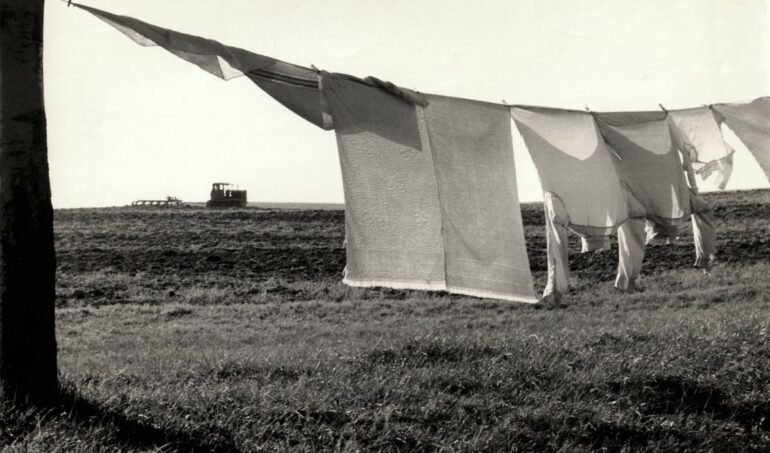
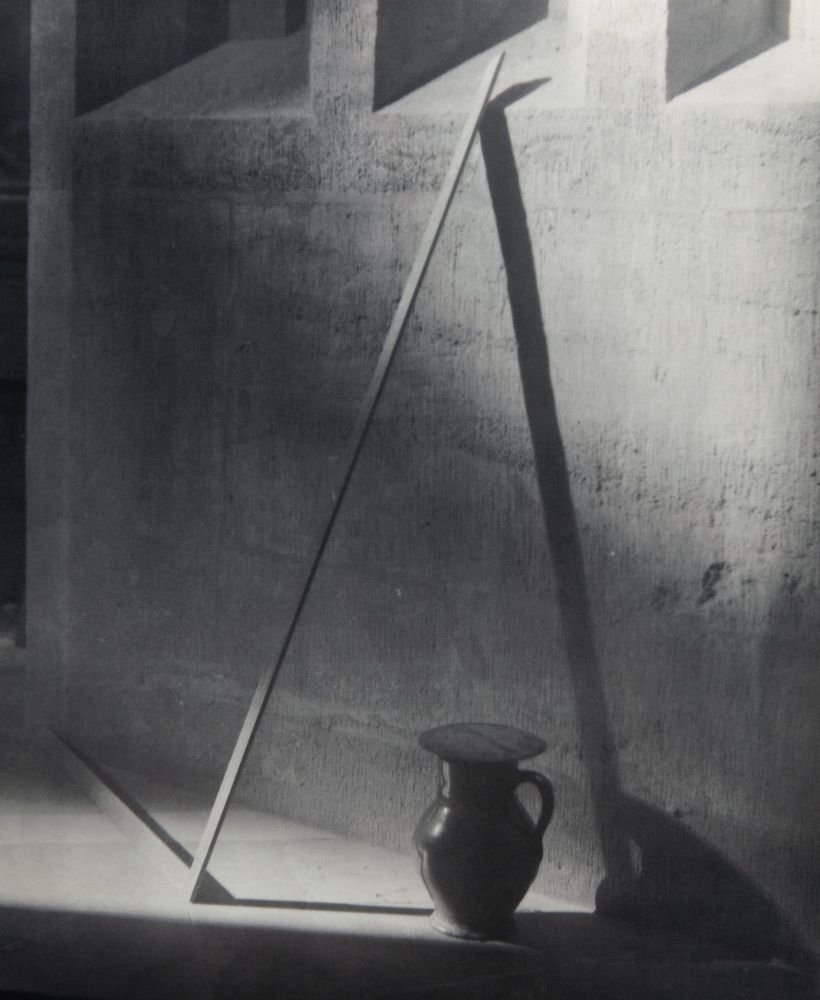
At the heart of this section are the iconic photographs of Josef Sudek at SEDF. For anyone living in the Czech Republic, Sudek needs no introduction: his Prague, his studio window, his patient light are part of our visual DNA. Alongside him, the festival honours the jubilee of Jiří Štreit, presented through the eyes of other photographers.
A special guest is Fanny Boucher of Atelier Heliog, founded in 2000 and dedicated to photogravure. There are only two such studios in France and around ten in the whole world. As a filmmaker who grew up with celluloid, I find this return to slow, physical processes deeply moving.
BRIT-ISH: Five Exhibitions, Five Perspectives
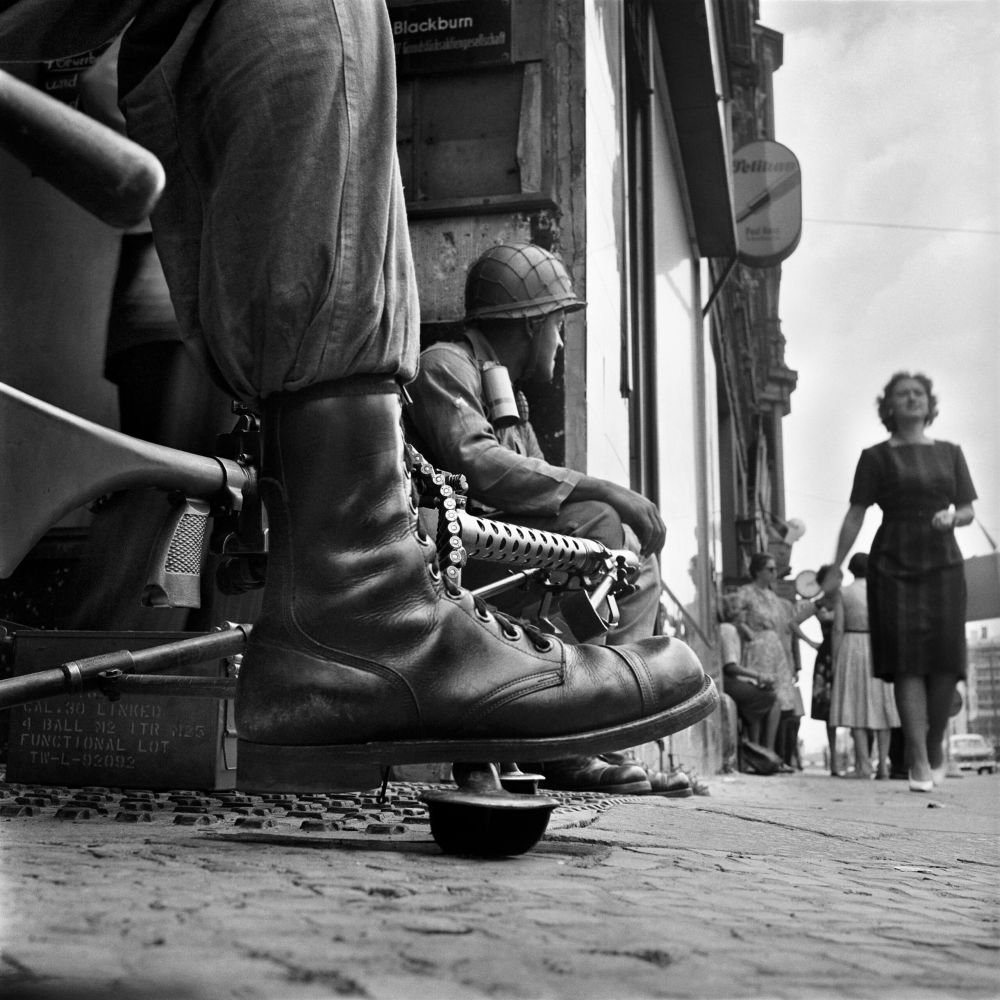
The second block is devoted to British photography. The undisputed headliner is Don McCullin, at the House of Art (Dom umenia): Cyprus, Vietnam, Cuba, Cambodia, Ireland, but also his less known social work on the homeless, migrants and workers in London. McCullin is one of those photographers who taught a whole generation what it means to bear witness. At the opposite end of the spectrum, Josh Edgoose captures London with intense colours and the raw energy of urban life.
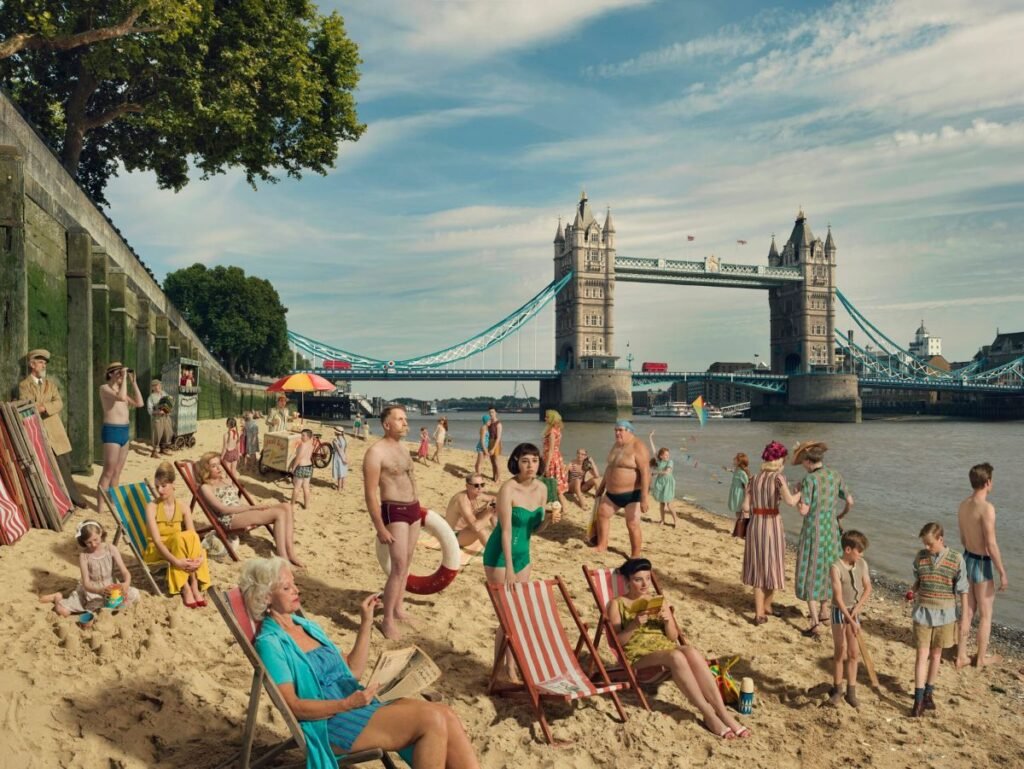
Also worth seeing is Julia Fullerton-Batten with Constructing the Past, a staged series inspired by Frida Kahlo, shot in Mexico among the traditional Tehuana dress, the architecture of Luis Barragán and the canals of Xochimilco.
The World: Sicily, Pingelap and the Gentlemen’s Club
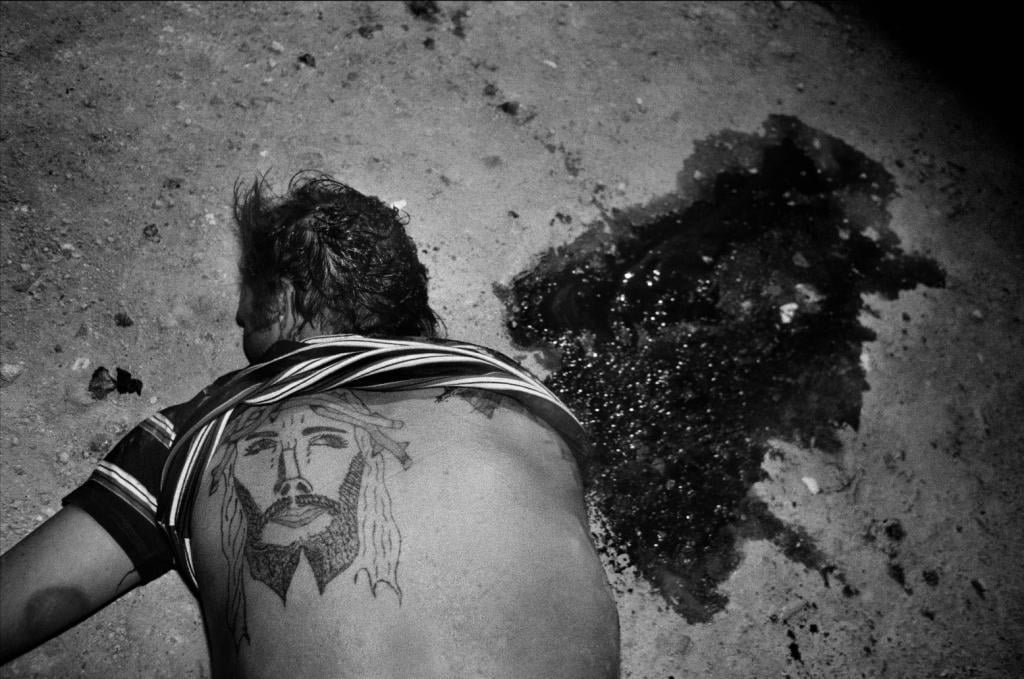
As an Italian, I could not miss Letizia Battaglia and Humanity in the Shadow of Cosa Nostra (Dom umenia, until 30 November), curated by Tomáš Pospěch. Her black-and-white images of mafia killings and trials in 1970s and 1980s Sicily are not just photojournalism: they are the memory of a country that tried to look away. Decades later, they still hit hard.
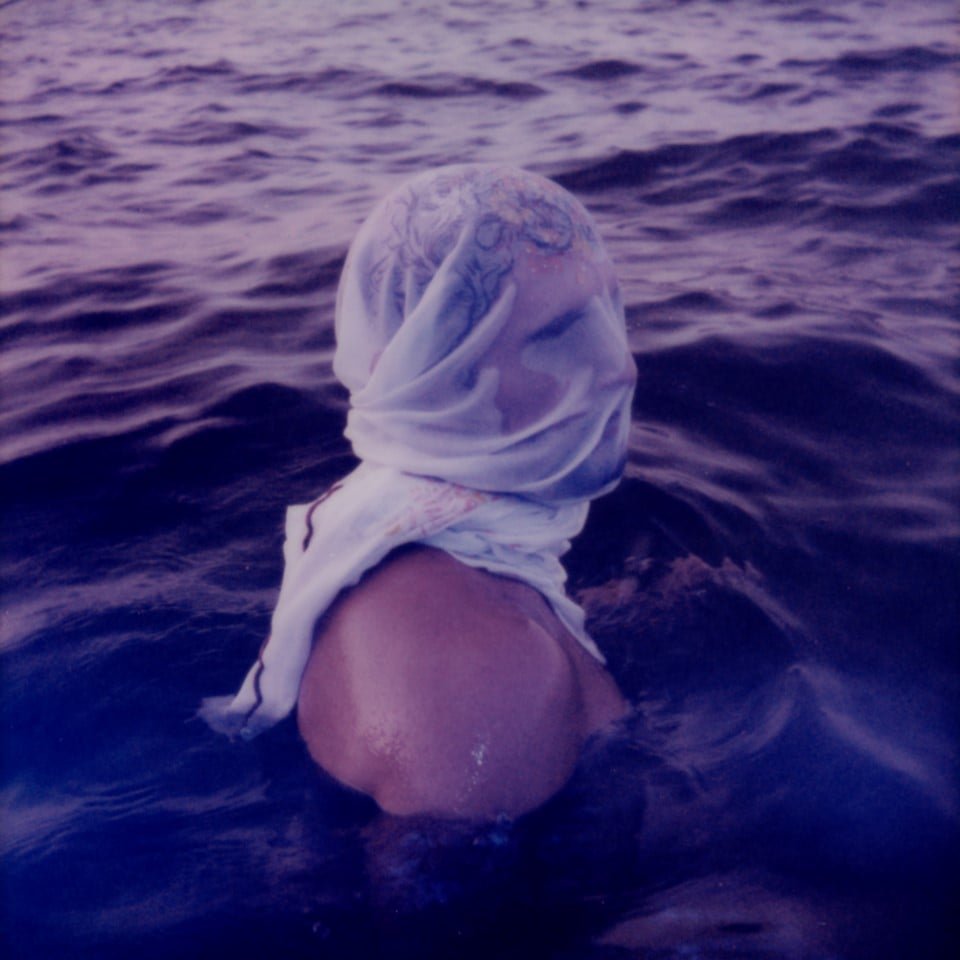
Sanne De Wilde takes us to the Pacific atoll of Pingelap in The Island of the Colorblind, where an unusually high number of people live with achromatopsia. And Cristina de Middel, one of the most original voices in contemporary photography, presents Gentlemen’s Club at SEDF (until 13 December): portraits of men who have paid for sex, a project that turns the usual gaze upside down.
Central Europe and Slovakia
From the Czech side comes Roman Vondrouš with Žhavý plesy, on the phenomenon of erotic balls, while Anna Breit explores self-portraiture in Most Of Me.
The big Slovak exhibition, Double Pleasure – Two Poles of the Image, brings together almost 100 Slovak and Czech artists from the 1970s to today, exploring the relationship between photography and painting. There is also a retrospective of Miro Švolík, an emblematic figure of the Slovak new wave.
The exhibition that touched me most, though, is the one dedicated to Magdaléna Robinsonová, one of the founding figures of post-war Slovak photography. She survived two concentration camps, later studied photography in Prague, and her very first solo exhibition included images from Auschwitz. Having recorded more than 150 testimonies of Holocaust survivors for the USC Shoah Foundation, I know how rare and precious it is when a survivor becomes the one holding the camera.
Books, Films and Beyond Bratislava
The programme also includes book presentations (Letizia Battaglia, Miro Švolík and a volume on the history of the Central European House of Photography, 2005–2025), film screenings, and exhibitions of Slovak photographers in Budapest and Vienna.
For me, the Month of Photography is more than a festival. It is a reminder that photography, whether a heliogravure or a war reportage, is first of all a way of paying attention to the world. If you have a free weekend before the end of November, Bratislava is just an hour and a half from Brno.
Mesiac Fotografie 2026 runs in Bratislava until 30 November, with selected exhibitions continuing into December. Programme and festival passes: mesiacfotografie.eu